
Recent Post
- 2026-08-19 00:30:34
- 2026-08-14 04:31:35
- 2026-07-09 04:31:15



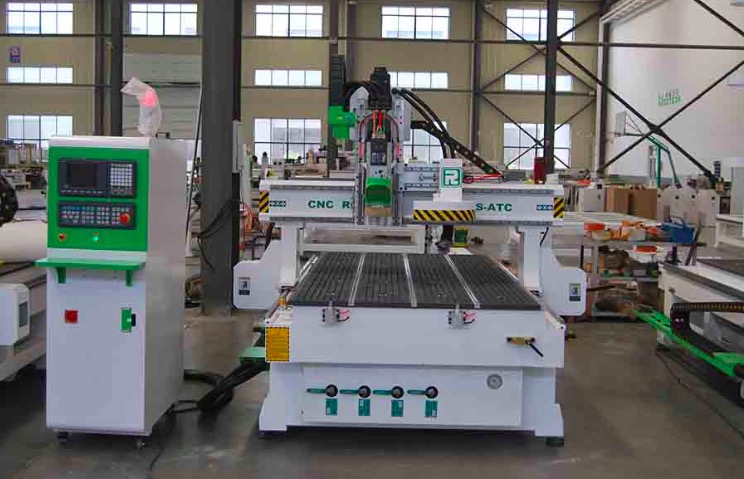
The processing of finger joint boards, or engineered solid wood panels, presents a distinct set of challenges that push standard CNC routing equipment to its operational limits. Unlike homogeneous MDF or particleboard, finger-jointed lumber consists of multiple individual staves bonded end-to-end via interlocking profiles. This construction introduces inherent variations in density, grain direction, and localized internal stress, creating a demanding environment for both tooling and machine dynamics. For fabricators engaged in door manufacturing, architectural millwork, or high-end furniture components, the selection of an engraving machine for this material is less about basic capability and more about the precision of the drive system, the rigidity of the gantry, and the intelligence of the control software.
The market for these specialized machining centers has grown concurrently with the demand for “rustic” and “engineered” aesthetics in residential and commercial joinery. As of 2024, the global market for woodworking CNC machinery is projected to exceed USD 1.4 billion, with a compound annual growth rate of approximately 5.8% from 2023 to 2030. Within this segment, machines capable of handling non-homogeneous materials—such as finger joint boards—represent a significant growth area, particularly in Southeast Asia and North America, where labor costs are driving automation of finishing and cutting processes.
| Machine Type | Typical Spindle Power (kW) | Max. Rapid Traverse (m/min) | Positioning Accuracy (±mm) | Automatic Tool Change | Ideal Workpiece |
| :--- | :--- | :--- | :--- | :--- | :--- |
| Standard 1325 Engraver | 3.0 – 6.0 | 25 – 30 | 0.05 | No | Solid softwood boards, plywood |
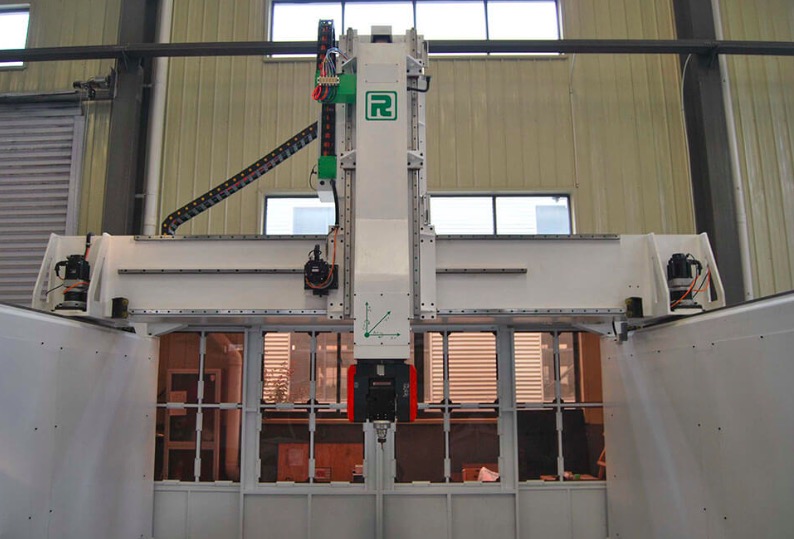
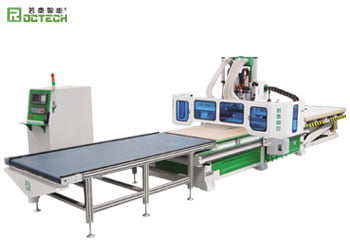
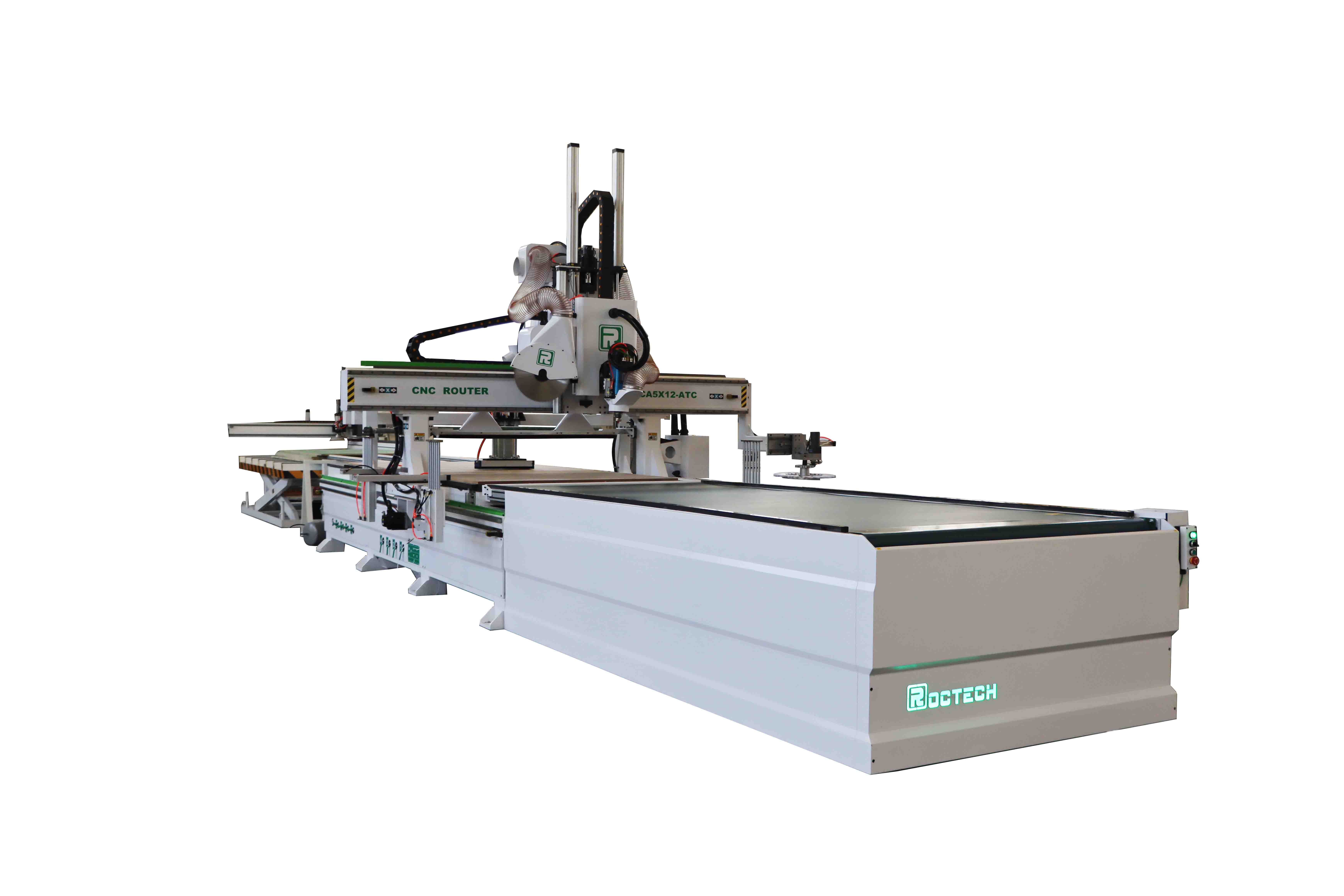
| ATC Machining Center (e.g., Roctech RC1325S-ATC) | 9.0 – 12.0 | 45 | 0.03 | Yes (Carousel/Linear) | Mixed materials, heavy cutting, finger joint panels |
| Nesting Center (Auto Load/Unload) | 9.6 – 12.0 | 60 | 0.03 | Yes (Integrated) | High-volume panel processing, cabinets |
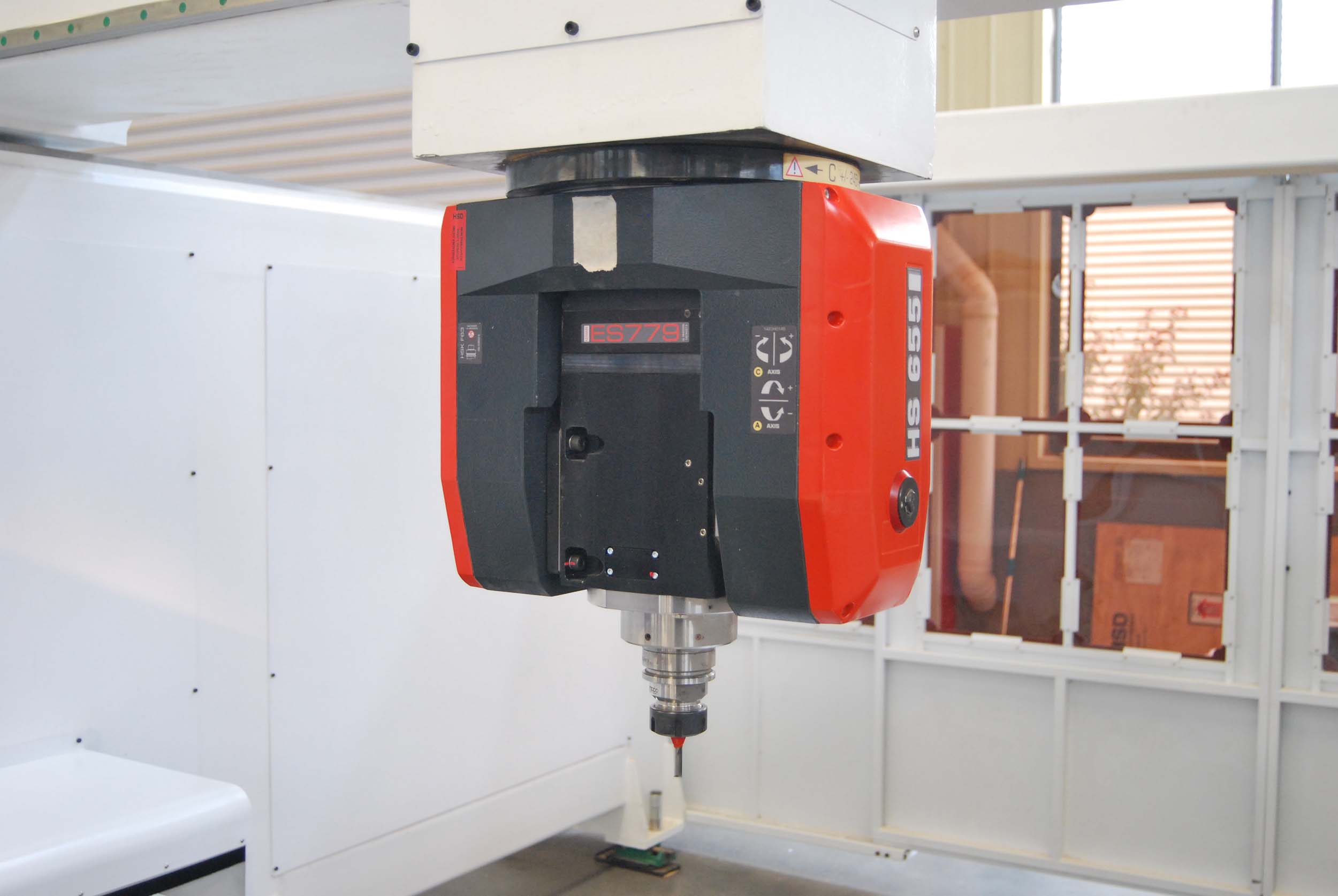
| Five-Axis Machining Center | 10.0 | 30 | 0.05 | Yes (High-Capacity) | Complex curved solid wood components |
As the data table indicates, the gap between a basic engraver and a production-grade machining center is not merely in power, but in the systemic approach to vibration damping and tool path management. A finger joint board, with its discontinuous grain, causes intermittent cutting resistance. A machine with insufficient gantry weight or poor guide rail preload will exhibit chatter, leading to “fuzzy” edges and accelerated tool wear.
This is where the distinction between a hobbyist tool and an industrial asset becomes critical. A robust solution, such as those offered by Roctech Machinery Co., Ltd., addresses this through heavy-duty welded beds and the integration of high-end components. For instance, the Roctech RC1325S-ATC, equipped with a 9.0 kW spindle and Taiwan Syntec control, utilizes Yaskawa servo motors with closed-loop feedback to maintain positional integrity even when the cutter is transitioning from a dense hardwood stave into a softer finger joint glue line. The utilization of HIWIN linear guides on the X/Y axes ensures that the torsional forces generated during this transition do not deflect the gantry, maintaining a surface finish tolerance of ±0.03mm—essential for subsequent lamination or veneering processes.
Furthermore, the adoption of an Automatic Tool Changer (ATC) is not a luxury but a necessity for finger joint board processing. A typical door component requires a sequence of operations: a roughing pass with a large diameter end mill to remove bulk material, followed by a finishing pass with a smaller tool for detail work, and finally a drilling cycle for hardware. On a manual machine, the downtime for tool changes and the potential for operator error are significant cost drivers. Roctech’s mastery in this domain is evident in their tool magazine design, which allows for rapid switching without manual intervention, reducing cycle times by up to 30% compared to manual changeovers. This is particularly vital when processing engineered woods where tool wear is accelerated by the adhesive used in the finger joints.
Beyond the mechanical rigidity, the software logic plays a crucial role. The control system must be capable of handling "tool path smoothing" to prevent sudden acceleration spikes when the cutter encounters the voids or dense nodes characteristic of finger joint lumber. Roctech’s integration with programming software like Type3 and Artcam allows operators to simulate the tool path, identifying potential
Looking for more information about our CNC machines and services? Contact us today.
Contact
Previous:Granite Drilling Automation: Precision, Tooling, and the Shift Toward Multi-Process CNC Platforms
Next:Belt Tension Adjustment on CNC Routers: A Technical Field Guide






















Finger Joint Board Engraving Machines: Precision Demands and the Evolution of Multi-Stage Woodworking Automation - Roctech® have advanced technology for CNC Router,cnc router cabinets,Roctech already have 15 years experiences of cnc router technology.-© 2023 Roctech® Machinery Co.,Ltd. - All Rights Reserved Website Terms Of Use ● Privacy Policy ● Cookie Policy